November 24, 2026
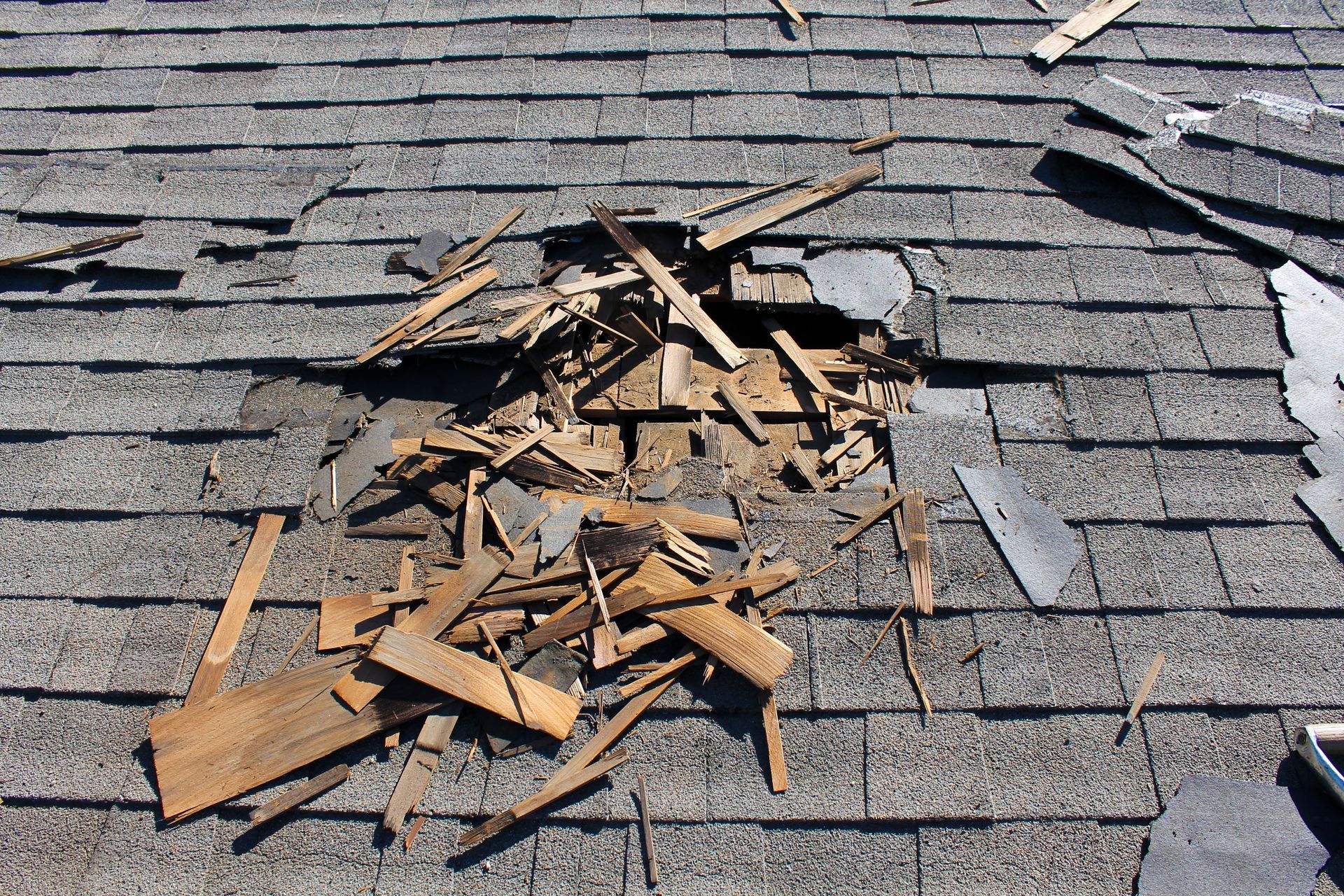
Asphalt shingles remain the most popular choice for residential properties because they are affordable, attractive, and simple to set up. Under normal conditions, a well-built overhead system provides dependable protection from rain, snow, and wind for two decades or more. Unfortunately, many homeowners notice troubling changes on their roof lines long before reaching that expected milestone. Shingles can suddenly curl along their outer edges, develop thin fractures across their surfaces, or shed heavy amounts of protective mineral granules into downspouts. When these premature defects occur, they expose the underlying wood framing to sudden water leaks, mold infestation, and structural rot.
Finding out why these problems develop early helps property owners choose the right solutions before water ruins finished ceilings. Curling and cracking often point to hidden issues inside the roof structure, such as improper attic ventilation or inadequate nailing techniques. In other situations, external forces like intense hail impacts, tree limb friction, or low-grade manufacturing formulas accelerate physical wear. Calling a certified roofing contractor to inspect your home ensures that underlying vulnerabilities are diagnosed correctly. Taking fast, proactive steps keeps repair budgets manageable and ensures your primary shelter stays strong throughout the year.
Evaluating Manufacturing Flaws
The quality of materials used during factory production plays a major role in determining how well your overhead system performs. When factory mixtures lack sufficient asphalt binder, shingles quickly dry out and lose their natural elasticity under routine sunlight exposure. Poor adhesive seal strips are another frequent factory flaw that prevents shingles from bonding together securely on the roof slope. Without a dependable thermal seal, light wind gusts easily pry tabs upward, leaving exposed edges vulnerable to creasing and wind-driven rain penetration. Substandard manufacturing creates weak products that cannot endure ordinary seasonal changes.
Uneven granule distribution during the factory coating process also leaves shingles dangerously exposed to sunlight. Mineral granules provide a vital barrier that shields the delicate underlying asphalt layer from harmful ultraviolet radiation. When factory machinery applies granules unevenly, unprotected patches quickly dry out, blister, and crack under direct sun exposure. According to Market Research Future, the roofing shingles industry is projected to grow from 134.26 USD billion in 2025 to 173.07 USD billion by 2035. As this global market expands, selecting verified brand-name products ensures you receive reliable materials backed by strict quality-control testing.
Surviving Environmental Weathering
Outdoor weather extremes place continuous physical stress on residential building materials throughout the year. High summer heat bakes the asphalt surface, causing protective oils to evaporate and leaving the material brittle. When freezing winter temperatures arrive, the sudden thermal contraction pulls against these dried-out tabs, creating hairline surface fissures. Constant cycling between blazing heat and deep freezes gradually widens tiny cracks, allowing water droplets to seep inside. Over time, moisture gets trapped between shingle layers, accelerating internal decay and causing tab corners to curl upward into ugly shapes.
Severe storm activity also damages protective shingle granules through heavy physical impact and friction. Violent hailstorms hammer granule coatings, dislodging protective rocks and creating deep impact bruises across the roof plane. High wind gusts also pull tabs upward, snapping weakened shingles and tearing away adhesive bonds along adjacent rows. Meanwhile, humid shade spots encourage thick moss colonies and algae patches to take root between overlapping edges. As green moss grows, its roots lift shingle corners and loosen protective granules. Consulting an experienced roofing contractor helps homeowners spot storm bruises and moss growth early.
Correcting Installation Mistakes
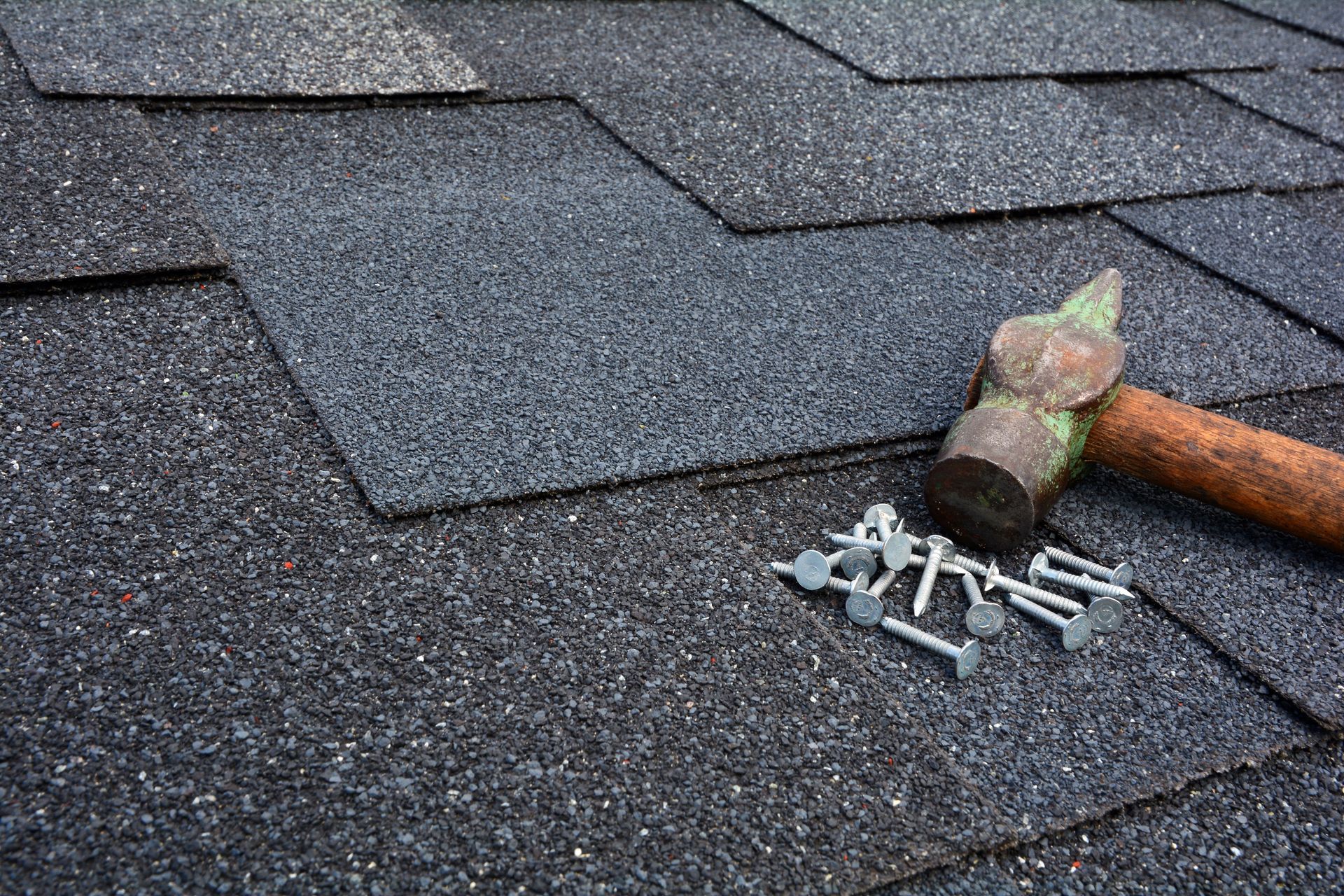
Improper installation techniques represent one of the most common reasons why modern asphalt systems fail ahead of schedule. Fastening shingles requires driving nails straight, flush, and directly along the manufacturer nail line. When careless installers shoot nails too high on the shingle face, the fasteners miss the underlying reinforcing tape entirely. High nails fail to anchor both shingle layers together, making the tabs pull away in light wind gusts. Overdriven nails cut right through delicate fiberglass mats, leaving shingles held by thin friction rather than solid metal heads.
Inadequate attic ventilation during initial roof construction is another major mistake that damages shingles from below. Without balanced soffit intake vents and open ridge exhaust vents, unconditioned attics turn into giant thermal ovens during hot summer months. Superheated air trapped beneath the wooden roof deck bakes shingles from the underside, causing the asphalt mat to blister, warp, and shed granules. In winter, trapped household moisture condenses across cold roof decking, causing nails to rust and plywood to buckle. Hiring a reputable roofing contractor ensures that adequate ventilation and precise nailing patterns protect your investment.
Managing Routine Upkeep
Neglecting regular home maintenance is a fast way to shorten the functional lifespan of any asphalt shingle roof. Homeowners should schedule physical roof reviews twice a year to detect lifted tabs, cracked flashing seams, and loose gravel. Allowing thick layers of wet autumn leaves and twigs to decompose in valleys traps standing water against shingle edges. This trapped moisture slowly rots the asphalt mat and creates an ideal breeding ground for destructive moss and lichens. Cleaning gutter systems and roof planes regularly keeps drainage paths open and stops water from creeping underneath vulnerable seams.
Another frequent mistake is using improper cleaning techniques, such as blasting shingles with high-pressure power washers to strip away dark algae stains. High-pressure water jets tear delicate mineral granules away instantly, stripping off the vital protective armor that prevents solar degradation. Homeowners must use gentle, low-pressure chemical washes specifically formulated to neutralize algae growth without dislodging minerals. Overhanging tree branches must also be trimmed back so limbs never scrape across shingles on windy afternoons. Partnering with a skilled roofing contractor for routine maintenance prevents small defects from growing into widespread leaks.
Resolving Roof Layout Defects
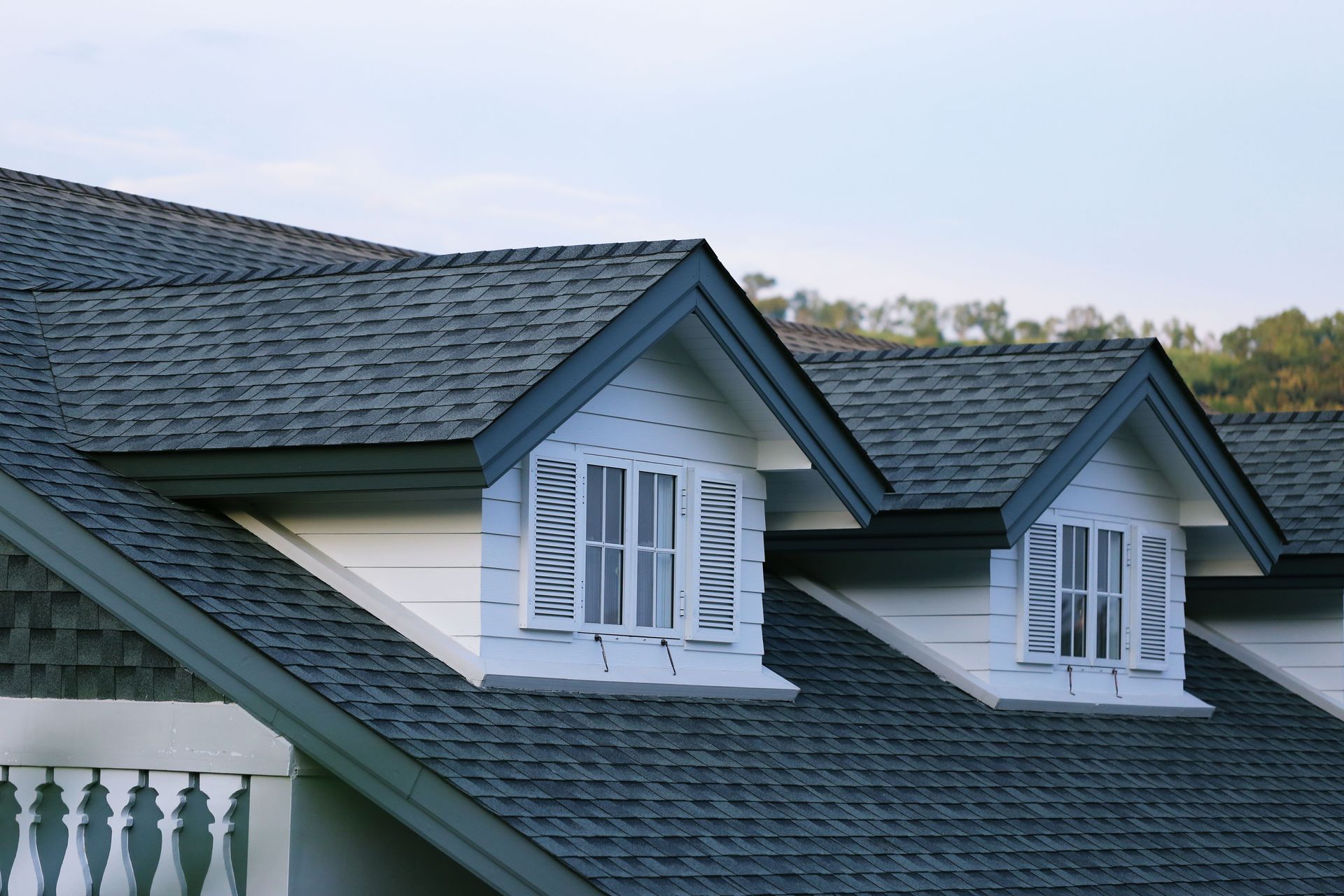
The architectural layout of a home heavily influences how water drains away and how long shingles endure. Roofs engineered with shallow pitches drain rainwater much slower than steep-slope designs, increasing the likelihood of standing puddles. When water ponds across low-slope shingles, water slowly seeps underneath overlapping tabs and breaks down the adhesive strips. Steep valleys, multi-level dormers, and complex roof intersections also channel massive amounts of fast-moving rainwater across concentrated shingle zones. If builders fail to install heavy-duty metal flashing and wide water shields in these high-traffic valleys, shingles wear out prematurely.
Using incompatible metal flashings and chemical accessories can also trigger destructive catalytic reactions that degrade asphalt materials. For instance, bare copper runoff or harsh chemical drainage from rooftop cooling units can break down adjacent petroleum coatings over time. In addition, chimneys, skylights, and plumbing vents require step-flashing kits that direct runoff safely away from surrounding corners. When contractors cut corners by using cheap caulking instead of continuous sheet metal, moisture penetrates behind the shingles and rots the decking. A qualified roofing contractor understands how to balance runoff dynamics and ensure that all transition flashing components work smoothly together.
Curling, cracking, and premature granule loss are warning signs that your overhead protective system requires immediate attention. Taking proactive steps today prevents hidden wood rot, structural framing damage, and expensive indoor repairs down the road. Whether your home needs targeted vent adjustments, flashing repairs, or an entire system replacement, professional expertise ensures your home stays protected through every severe season. To schedule your detailed roof evaluation and receive transparent advice tailored to your property, contact Accurate Roofing and Gutter LLC today.